
28-08-2024
Importance of Pump Health Monitoring in Industrial Operations
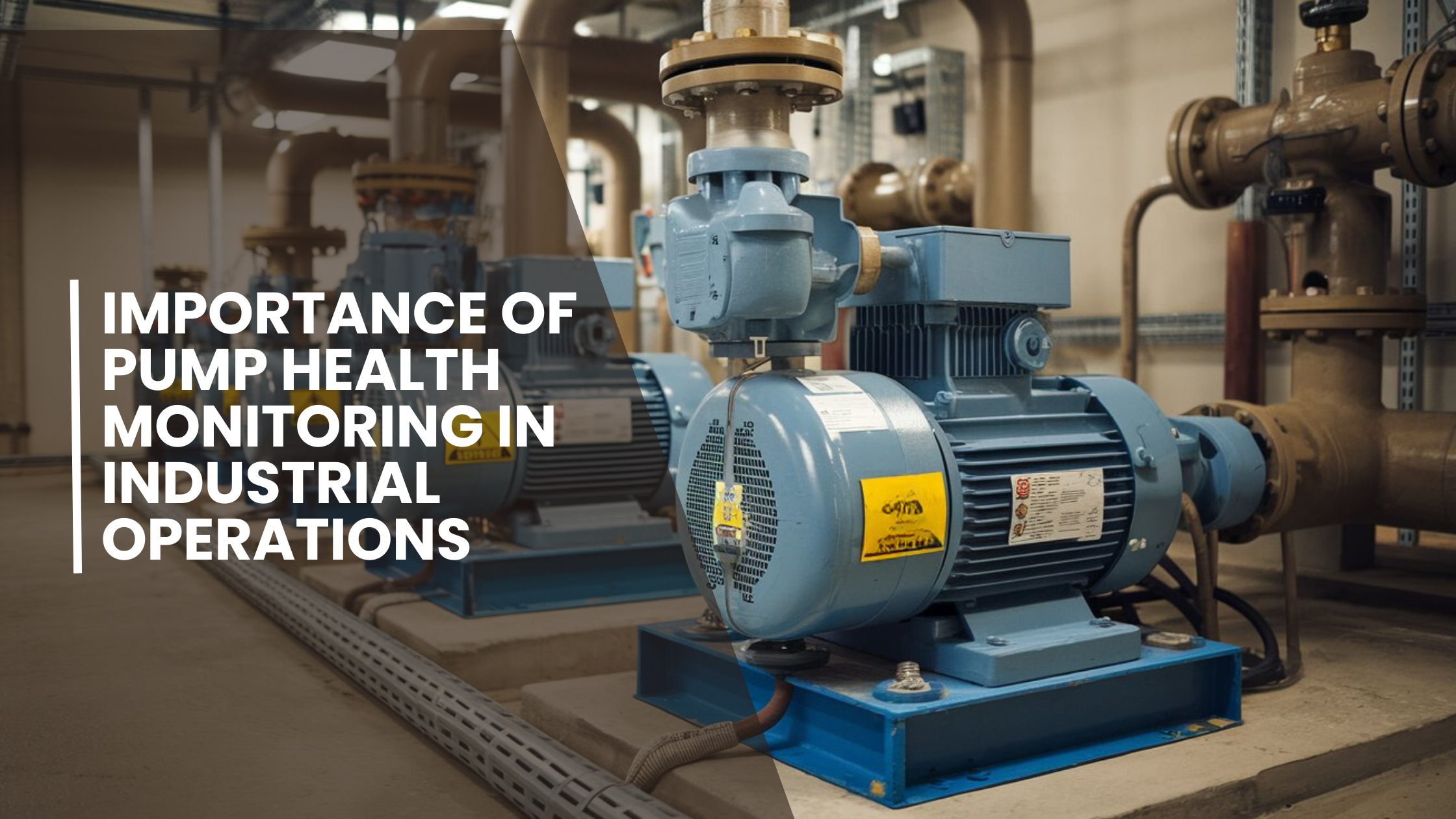
Pumps are a crucial component in various industries, including manufacturing and processing, where they play a vital role in industrial processes and production workflows. While industrial pumps are designed to handle high throughput and perform optimally, maintaining their health is essential to ensure longevity and efficiency. Like any machine, pumps require regular monitoring and maintenance to prevent unexpected breakdowns and costly repairs.
Proactive pump health monitoring is vital to identify potential issues before they escalate into major problems, resulting in significant financial losses. By utilizing specialized tools and practices to monitor pump functions, businesses can detect latent issues early on and take corrective action.
To ensure optimal pump performance and minimize downtime, it's essential to buy or hire from reputed pump suppliers in Dubai, who offer high-quality products and expert services. Reputed suppliers provide reliable pumps, genuine spare parts, and comprehensive maintenance support, giving businesses peace of mind and protecting their investments.
By prioritising pump health monitoring and partnering with trusted suppliers, industries can maximise pump efficiency, reduce maintenance costs, and maintain uninterrupted production workflows.
Why should you monitor the health of your pump?
Whether you have a fluid pump for domestic use or industrial use, its health can fluctuate over time. The use of smart monitoring practices and tools to determine the health levels of the machine is crucial to preventing any malfunction. The process of pump health monitoring includes using continuous survey systems that keep a close eye on the parameters of pump health.
These monitoring systems are used to check for different performance parameters and anomalies. The pump health monitoring systems now use advanced sensors that detect fluid levels and other parameters. A good pump health monitoring system also collects performance data and analyzes it to show if the pump is working properly or not. Here are the reasons why using a smart pump health monitoring system is important.
Lesser downtime
As a machine, the pump is bound to face some downtime. Downtime and glitches in the pump system can happen at times because of minor problems. With a pump health monitoring system that remains vigilant, you can know about the minor issues that might lead to glitches.
You can take steps to resolve these minor issues very quickly and reduce the risk of the pump not working. The pump health monitoring system can screen out the anomalies that can lead to problems and provide you with a timely report.
More savings
When you monitor the health of a pump regularly, you will know about any fluctuations in the pump's energy consumption trends. Pumps that start to malfunction often face energy efficiency issues. However, without a pump health monitoring system in place, it becomes difficult to know if the pump is using too much power.
Continuous pump health monitoring can track the energy consumption of a pump and notify when the trends are irregular. Then, you can take the necessary steps to improve energy efficiency and reduce power consumption.
Longer lifespan
The use of pump health monitoring practices and tools can inform you about the impending problems and performance issues that are present in the system. You will not get a detailed report without the use of a pump health monitoring system. You can also choose to use a predictive analytics tool to predict any major problem and consequences so that the issue can be resolved as soon as possible. With a rapid and proactive approach to resolving small issues and any hardware defect, you can increase the lifespan of the pump. Monitoring and taking steps to resolve issues contribute a lot to the maintenance of the pump system.
Because of the above reasons, it is best if you adopt a pump health monitoring system and practices to monitor and manage your pumping device. Smart pump health monitoring systems with sensors are now available for both industrial and domestic purposes. Now that you know how monitoring the health can help increase the efficiency of your pump, know more about the practices that can help keep pump health optimised. For a durable pump, you need to employ these techniques and do continuous monitoring.
Vibrational analysis
The vibrational patterns and energy of a pump can tell a lot about the mechanical issues present in it. The sounds of vibration and the trends can tell you about the defects present in its structure. A high level of vibration can be a sign that there are impeller imbalances or alignment issues in your pump. Therefore, it is important to use sensors that are particularly meant for vibrational monitoring of pump systems.
For example, an accelerometer is a good choice as a vibrational energy sensor for your pump. The accelerometer can be placed in different locations on a pump to record the data related to its vibrational patterns. The data can be fed into predictive analytics software, which can estimate the faults in the system. This can show you the patterns of early fault detection for timely repair.
Leak detection
A pump is used to carry fluids from one point to another. Therefore, a leak in the pumping system is a major issue. Leak detection is, therefore, very important in pump health monitoring processes. You can detect leaks in the pumping system and use a pressure drop monitoring technique for this purpose.
Other techniques include acoustic emission monitoring systems that are connected to the pump to find sound patterns that come from the pump and the linked leak probabilities. The most advanced technique for minor leak detection is infrared thermography. Through these systems, you can monitor the fluid pressure fluctuations, sound anomalies and other patterns that can possibly indicate a leak.
Pressure monitoring
In the pump system, the pressure of the fluid and air matters a lot. Therefore, continuous pressure monitoring is an important step in pump health tracking. The pressure monitors work to know if the pump is working optimally or not. There are specialised pressure sensors that are installed around the pump system to detect even the slightest drop or fluctuation in fluid pressure.
Such advanced sensors are important as these signs are not often visible manually. Pressure variation is just a sign that can start the process of diagnosing a problem. The real problem beneath the pressure drop can be something else. For example, the pump could have a clogged filter, or there could be major blockages in the pipe. The pressure drop can also be a sign that the impeller component of the pump is not working properly. All in all, pressure monitoring is important for making early repairs and replacing parts of the pump on time.
Temperature analysis
The temperature of the pump body is also an important indication of its health and state. The temperature should never be hot for a good and working pump. However, abnormal temperatures can happen when the pump has some performance problems. The temperature of the pump needs monitoring with thermal sensors to make sure that the pump is working properly at all times.
Any fluctuation and rise in temperature can mean that there is not enough lubrication, and the heat comes from friction between the parts of the pump. Overheating of parts because of electrical issues can also lead to a high temperature in the pump body. You need to use sensors that are thermally sensitive and have alarms installed for the heating threshold. This can prevent mishaps and total breakdown of the pumping system.
Conclusion
Sensors and monitoring systems are important for every kind of industrial equipment. As pumps come of use in many large-scale devices and industrial workflows, these mechanical devices need continuous monitoring. Today, there are many smart sensors and new techniques that help track the parameters of pump health and alert the owner on time about necessary repairs and remedies.
Leave a Reply
Your email address will not be published. Required fields are marked *